AI · 2026-10-18
From the Age of the Electric Fairy to AI Power Grids: The Challenge of Keeping Electricity Flowing
Raoul Dufy’s monumental painting The Spirit of Electricity captured the magic of power, but today that question has become far more complex. As renewable energy and AI data centers reshape the power system, the ability not only to generate electricity but also to deliver and operate it reliably is becoming increasingly important.
When electricity was transforming homes and factories, French painter Raoul Dufy depicted it as something almost magical. His 1937 work The Spirit of Electricity, created for the Paris International Exposition, includes electrical equipment as well as scientists and inventors. Across the painting runs the optimism of an era when electric lights drove back the dark and electric motors set factories in motion.
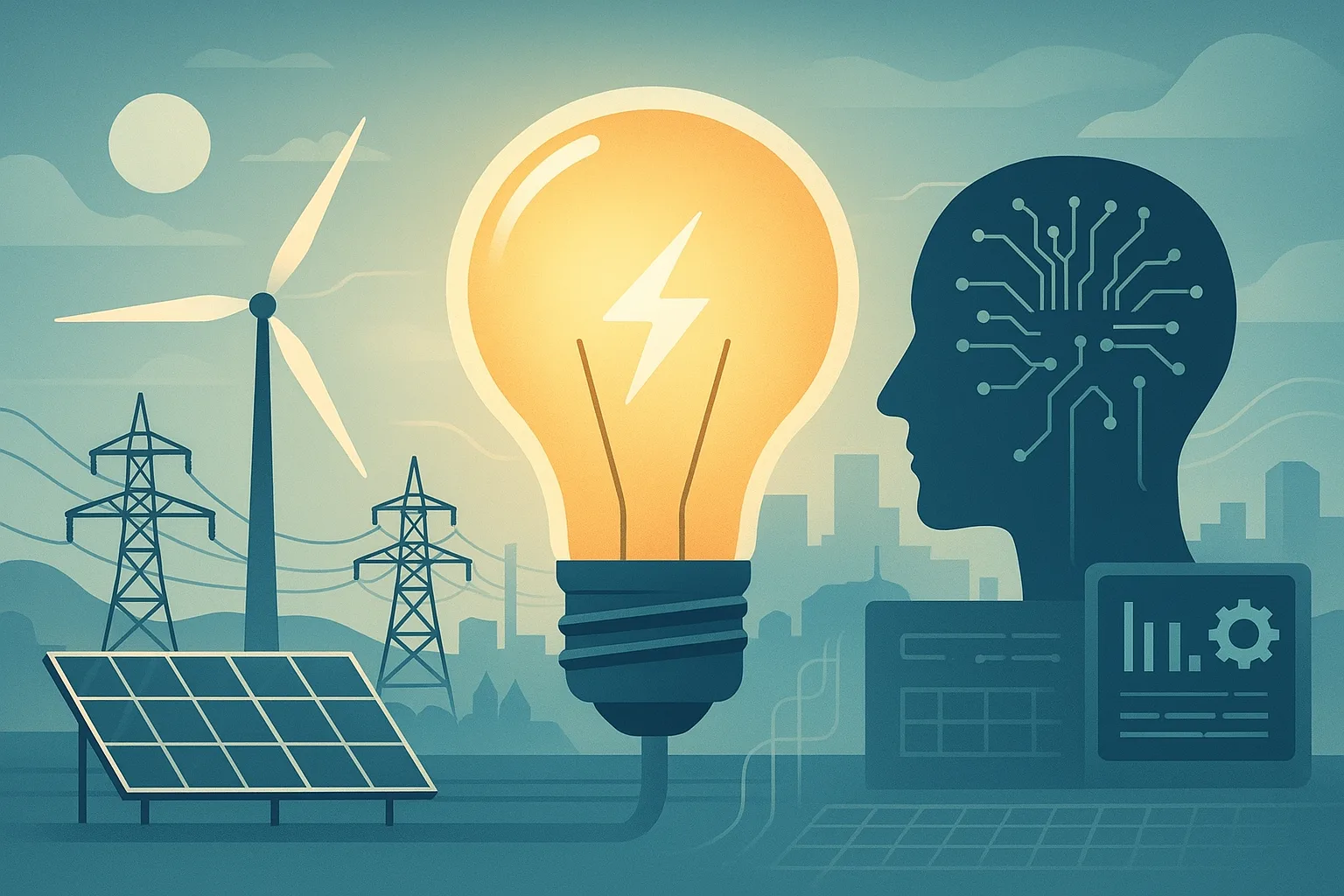
Nearly 90 years later, the focus in the power sector has moved one step beyond simply asking how to produce more electricity. At the General Assembly of CIGRE, the International Council on Large Electric Systems, held in Paris, major topics included changes to power grids driven by the expansion of renewable energy, electricity demand from AI data centers, and the use of AI in grid operations. The more complex the power system becomes, the more important it is to deliver the electricity that has been generated to where it is needed, and to do so reliably.
Last year’s major blackout in Spain and Portugal also served as a reminder of this point. Producing enough electricity does not by itself guarantee a stable supply. It is also necessary to monitor the condition of the grid, manage changes in supply and demand, and keep the system stable when problems arise. At the same time, rather than jumping to conclusions about the specific cause of the blackout, it should be seen as an example that highlights the importance of power system operation.
This challenge also applies to Korea. Electricity demand is concentrated in the capital region, while there are constraints on transmission networks between regions. As renewable generation increases, output curtailment has also become an issue. In other words, it is not enough to expand the facilities that produce electricity; the country must also build the foundation to send power where it is needed and handle fluctuations.
For that reason, proposals have been made to advance system operation technologies that can keep voltage and frequency stable, and to increase grid flexibility through energy storage systems (ESS). Forecasting and diagnostics using AI may also help, but technology alone will not solve the problem. Investment in the power grid must be made in time, and market rules and regulations must also support the introduction of new technologies so they can work on the ground.
In Dufy’s painting, the scientists and inventors discovered the principles of electricity and developed them into technologies used in everyday life. Thanks to them, electricity became the foundation that supports modern daily life. Now, an important question in power policy is no longer limited to how much electricity can be produced. The central task is how to operate an increasingly complex grid reliably, and how to pass on an uninterrupted supply of electricity to the next generation.
Nearly 90 years later, the focus in the power sector has moved one step beyond simply asking how to produce more electricity. At the General Assembly of CIGRE, the International Council on Large Electric Systems, held in Paris, major topics included changes to power grids driven by the expansion of renewable energy, electricity demand from AI data centers, and the use of AI in grid operations. The more complex the power system becomes, the more important it is to deliver the electricity that has been generated to where it is needed, and to do so reliably.
Last year’s major blackout in Spain and Portugal also served as a reminder of this point. Producing enough electricity does not by itself guarantee a stable supply. It is also necessary to monitor the condition of the grid, manage changes in supply and demand, and keep the system stable when problems arise. At the same time, rather than jumping to conclusions about the specific cause of the blackout, it should be seen as an example that highlights the importance of power system operation.
This challenge also applies to Korea. Electricity demand is concentrated in the capital region, while there are constraints on transmission networks between regions. As renewable generation increases, output curtailment has also become an issue. In other words, it is not enough to expand the facilities that produce electricity; the country must also build the foundation to send power where it is needed and handle fluctuations.
For that reason, proposals have been made to advance system operation technologies that can keep voltage and frequency stable, and to increase grid flexibility through energy storage systems (ESS). Forecasting and diagnostics using AI may also help, but technology alone will not solve the problem. Investment in the power grid must be made in time, and market rules and regulations must also support the introduction of new technologies so they can work on the ground.
In Dufy’s painting, the scientists and inventors discovered the principles of electricity and developed them into technologies used in everyday life. Thanks to them, electricity became the foundation that supports modern daily life. Now, an important question in power policy is no longer limited to how much electricity can be produced. The central task is how to operate an increasingly complex grid reliably, and how to pass on an uninterrupted supply of electricity to the next generation.
Related search terms
#power grid operation#renewable energy grid integration#AI data centers electricity demand#energy storage systems ESS#blackout in Spain and Portugal#Korea electricity grid#voltage and frequency stability