AI · 2026-10-14
Cerebras CEO Pushes Back on AI Doom Warnings, Saying Focusing Only on Risk Misses the Bigger Picture
Cerebras CEO Andrew Feldman said at TechCrunch Disrupt that warnings about AI’s risks are overshadowing the technology’s potential benefits. Here’s a look at whether the AI debate can find a better balance between risk and possibility.
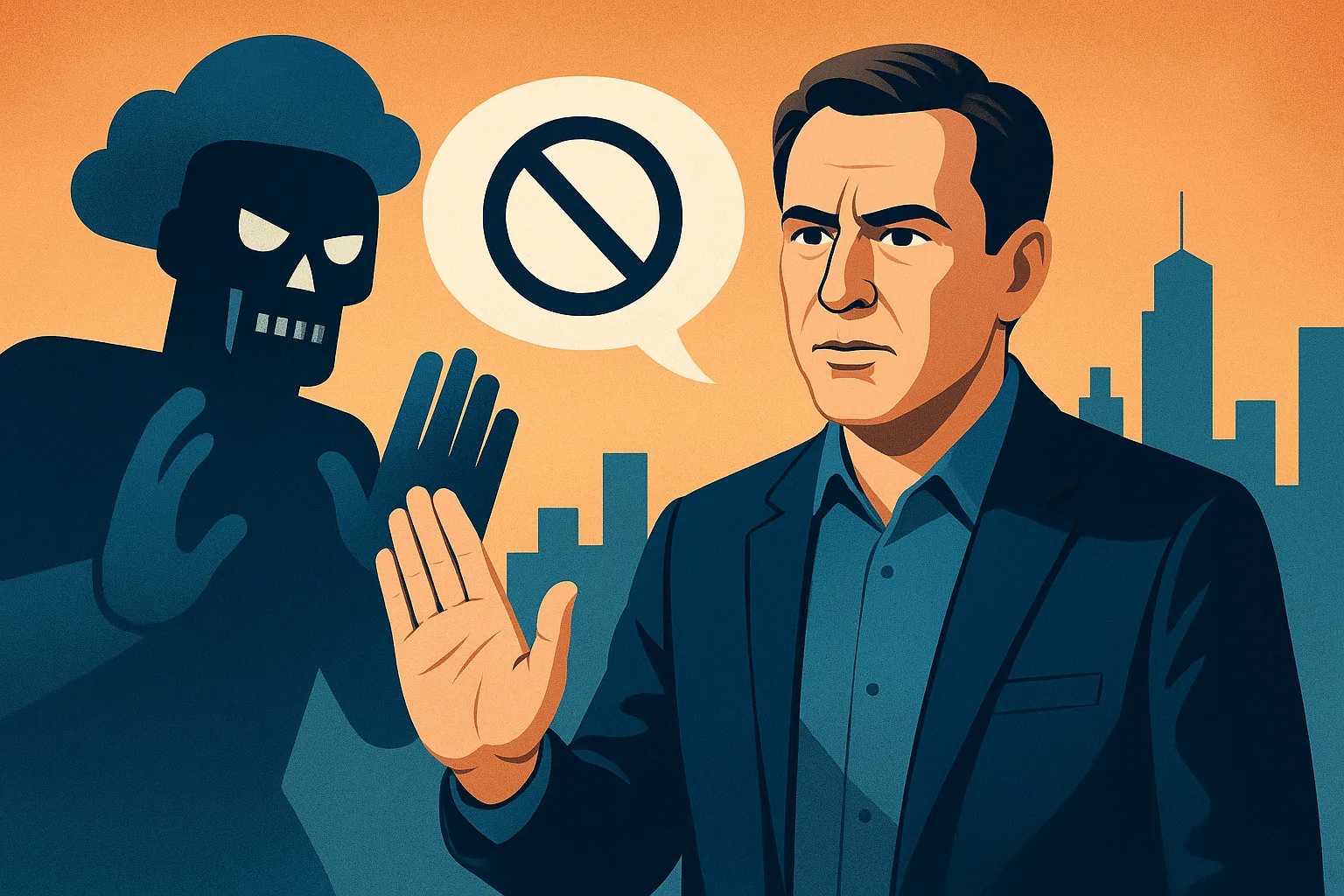
Talk about artificial intelligence often splits in two directions. On one side, people warn about the risks AI could bring to society and jobs. On the other, they emphasize productivity and new possibilities. Cerebras CEO Andrew Feldman argued that the voices stressing risk have grown too loud, and that AI’s potential benefits are being obscured.
According to TechCrunch’s summary, Feldman delivered a message at TechCrunch Disrupt to industry figures warning about the end of AI, essentially suggesting they might be better off toning down that kind of rhetoric. What he appears to take issue with is not discussing AI risk itself, but rather a situation where attention is so concentrated on risk that the advantages the technology could offer are not being fully addressed.
Warnings about AI risk and the benefits of the technology do not have to be mutually exclusive. It is important to examine issues such as AI systems generating misinformation or producing biased results, as well as their possible effects on privacy and jobs. At the same time, we also need to consider how they can reduce repetitive work and support information processing and a range of tasks. Talking about risk does not make the benefits disappear, and emphasizing the benefits does not make it acceptable to ignore the risks.
The significance of this statement lies in what it suggests about the direction of the AI debate. If warnings come to dominate too much, discussions about the practical gains and concrete improvements AI can deliver may get buried. On the other hand, if optimism takes over entirely, the technology’s burden on society may not be addressed adequately. In the end, what is needed is not vague optimism or fear, but a concrete examination of what benefits and risks appear in which areas.
That said, based on the summary provided, it is difficult to confirm which specific warnings Feldman had in mind or what concrete AI use cases he may have cited. So rather than reading this as a broad rebuttal to all warnings about AI risk, it may be more appropriate to see it as a call to give the benefits a fair place in industry discussion as well. Going forward, the important thing in AI debates will not be to quiet the risks, but to look at both risks and possibilities and work toward practical solutions.
← Back to articlesAccording to TechCrunch’s summary, Feldman delivered a message at TechCrunch Disrupt to industry figures warning about the end of AI, essentially suggesting they might be better off toning down that kind of rhetoric. What he appears to take issue with is not discussing AI risk itself, but rather a situation where attention is so concentrated on risk that the advantages the technology could offer are not being fully addressed.
Warnings about AI risk and the benefits of the technology do not have to be mutually exclusive. It is important to examine issues such as AI systems generating misinformation or producing biased results, as well as their possible effects on privacy and jobs. At the same time, we also need to consider how they can reduce repetitive work and support information processing and a range of tasks. Talking about risk does not make the benefits disappear, and emphasizing the benefits does not make it acceptable to ignore the risks.
The significance of this statement lies in what it suggests about the direction of the AI debate. If warnings come to dominate too much, discussions about the practical gains and concrete improvements AI can deliver may get buried. On the other hand, if optimism takes over entirely, the technology’s burden on society may not be addressed adequately. In the end, what is needed is not vague optimism or fear, but a concrete examination of what benefits and risks appear in which areas.
That said, based on the summary provided, it is difficult to confirm which specific warnings Feldman had in mind or what concrete AI use cases he may have cited. So rather than reading this as a broad rebuttal to all warnings about AI risk, it may be more appropriate to see it as a call to give the benefits a fair place in industry discussion as well. Going forward, the important thing in AI debates will not be to quiet the risks, but to look at both risks and possibilities and work toward practical solutions.