IT · 2026-10-15
OpenAI Sued by 8 U.S. States Over Claims ChatGPT Is Not Safe for Children
OpenAI is facing lawsuits from eight U.S. states over claims that it harmed children’s safety and misled consumers about ChatGPT’s safety. The allegations raised in the separately filed state lawsuits should still be distinguished from what a court has actually determined.
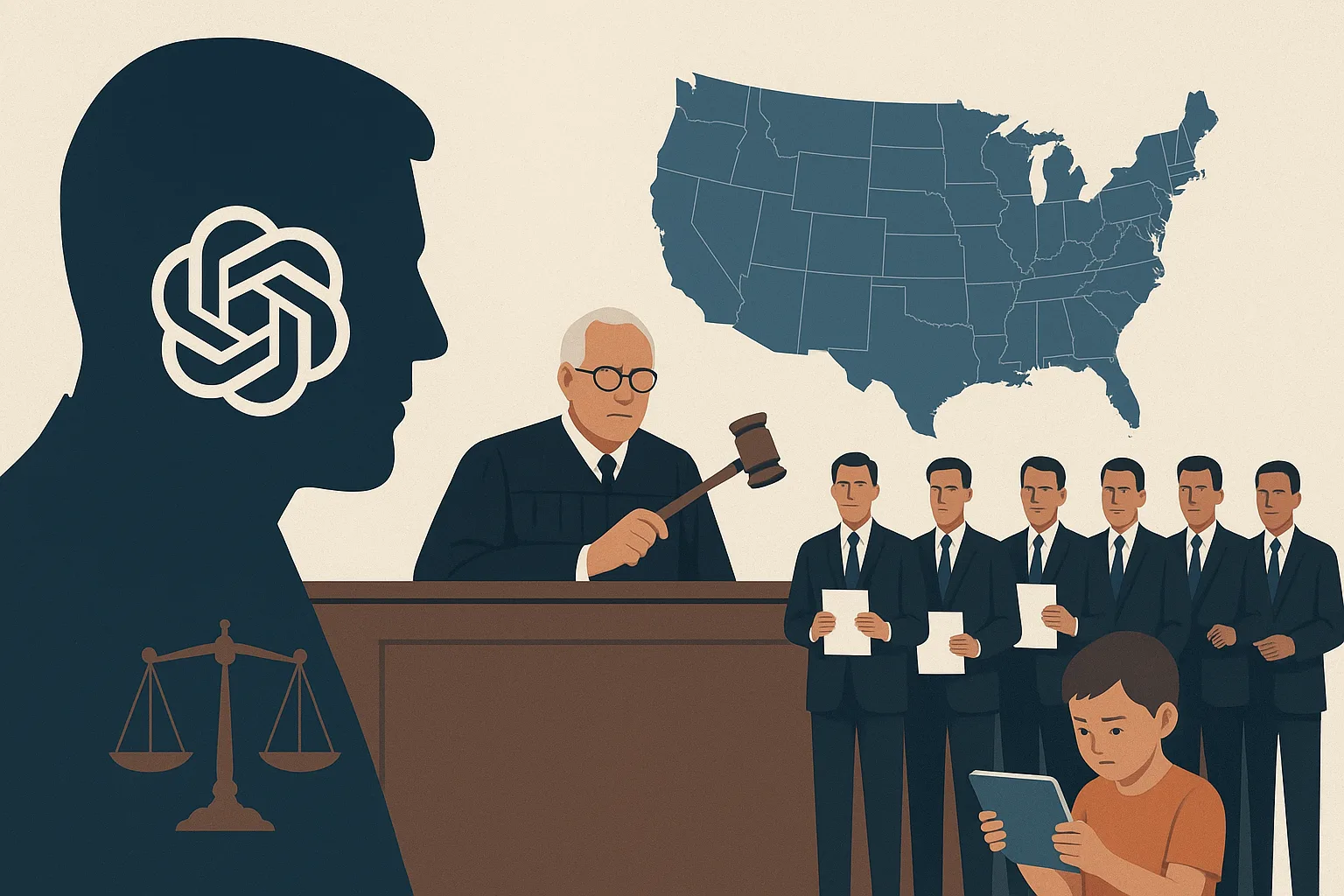
Concerns about ChatGPT’s safety for children have now turned into a legal dispute in the United States. The Verge reported that eight states — Iowa, Kansas, Nebraska, West Virginia, Arkansas, Arizona, Idaho, and Montana — have each filed separate lawsuits against OpenAI. The report cites earlier coverage by Reuters.
In the lawsuits, the state governments allege that OpenAI provided a service that could harm children and misled customers about ChatGPT’s safety. They also raised claims to the effect that OpenAI put profits ahead of safety. These are allegations and claims made by the parties to the lawsuits, not conclusions that have been established as fact by a court.
At the heart of the case is not only the chatbot’s capabilities themselves, but also the safety measures intended to protect users — especially children — and how the risks of the service were communicated to consumers. Because generative AI is a tool that answers questions and carries on conversations, how users interpret its outputs and whether its safeguards are sufficient remain ongoing points of debate. That said, based on the information in the report alone, it is not possible to confirm what specific harm or legal violations were alleged in the lawsuits.
The fact that several states have filed separate lawsuits makes it clear that the controversy surrounding OpenAI’s child protection measures and safety disclosures has entered legal scrutiny. Going forward, what matters will be how the claims raised in each case are evaluated and how OpenAI responds. For now, it is important to keep allegations and confirmed facts separate.
← Back to articlesIn the lawsuits, the state governments allege that OpenAI provided a service that could harm children and misled customers about ChatGPT’s safety. They also raised claims to the effect that OpenAI put profits ahead of safety. These are allegations and claims made by the parties to the lawsuits, not conclusions that have been established as fact by a court.
At the heart of the case is not only the chatbot’s capabilities themselves, but also the safety measures intended to protect users — especially children — and how the risks of the service were communicated to consumers. Because generative AI is a tool that answers questions and carries on conversations, how users interpret its outputs and whether its safeguards are sufficient remain ongoing points of debate. That said, based on the information in the report alone, it is not possible to confirm what specific harm or legal violations were alleged in the lawsuits.
The fact that several states have filed separate lawsuits makes it clear that the controversy surrounding OpenAI’s child protection measures and safety disclosures has entered legal scrutiny. Going forward, what matters will be how the claims raised in each case are evaluated and how OpenAI responds. For now, it is important to keep allegations and confirmed facts separate.